My teaching philosophy is grounded in practical, inclusive, and reflective learning. I believe students learn best when they connect ideas to real situations, examine problems from multiple perspectives, and apply what they learn in meaningful ways. My experience teaching business administration has shaped my commitment to relevance, organization, leadership, communication, and evidence-informed decision-making—skills that are equally important in education.
As I transition into teaching education and teaching-related subjects, I see this work as an expansion of my professional purpose. I want future educators, trainers, and educational leaders to understand how people learn, how systems influence learning, and how thoughtful planning, assessment, and reflection can improve educational practice.
In my courses, I use learner-centered and applied approaches such as case studies, classroom scenarios, collaborative problem solving, teaching reflections, curriculum analysis, and authentic projects. These strategies help students move beyond memorizing concepts and toward using theory to guide planning, teaching, assessment, leadership, and improvement.
I value clear structure, high expectations, and strong instructor presence. Many adult learners balance school, work, and family responsibilities, so I design learning experiences that are accessible, purposeful, and rigorous. Clear outcomes, timely feedback, respectful discussion, and manageable learning sequences help students feel supported while developing confidence in their professional judgment.
Assessment should promote learning, not simply measure completion. I use authentic assignments—such as lesson plans, curriculum reviews, classroom-management analyses, assessment designs, leadership case responses, and improvement proposals—to help students demonstrate how they think, use evidence, and make decisions in real educational settings.
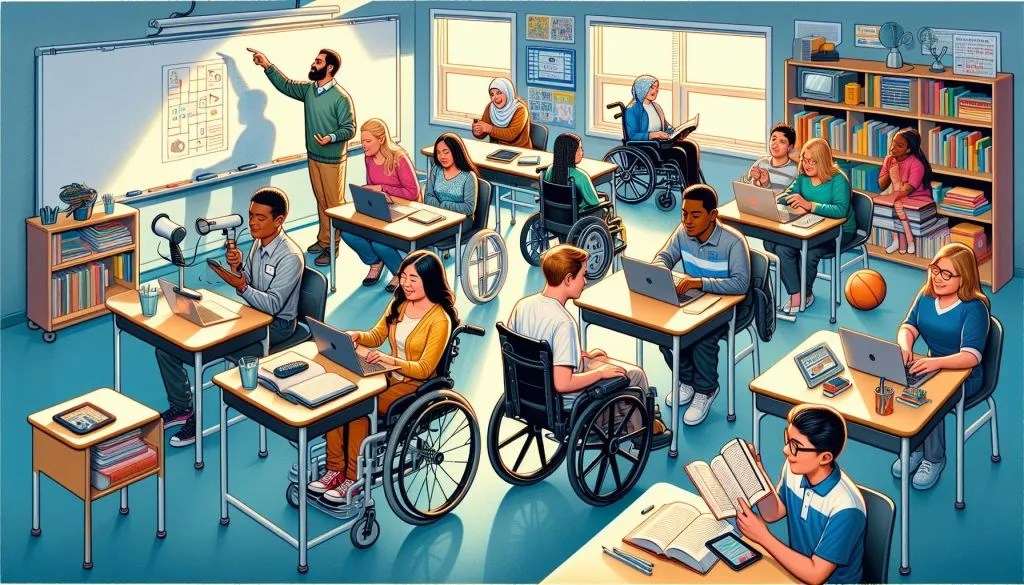
Inclusion is central to my teaching. Students bring different backgrounds, experiences, learning histories, and levels of confidence to the classroom. I strive to create a respectful environment where students can ask questions, examine assumptions, connect course ideas to their communities, and learn from one another. Future educators must be prepared to design learning experiences that support the dignity and growth of all learners.
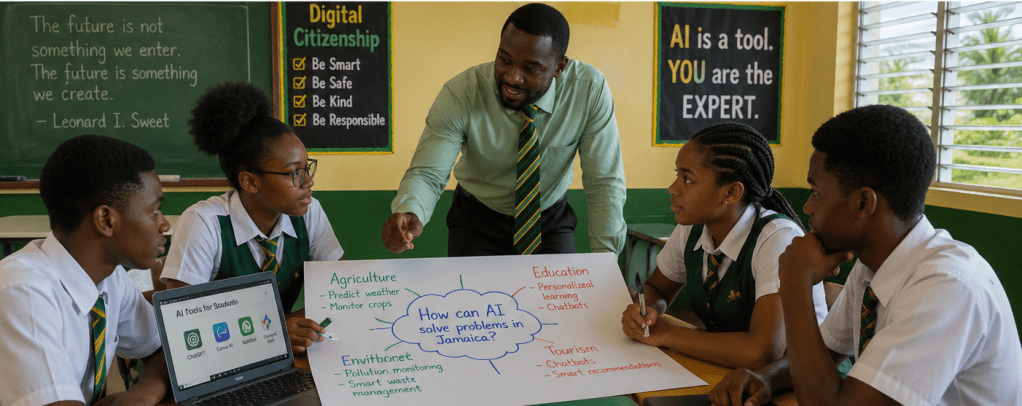
Technology also has an important role when it improves access, collaboration, feedback, reflection, and practice. I encourage students to use digital tools, including generative AI, with transparency, academic integrity, accessibility, and critical judgment. Technology should strengthen—not replace—human teaching and professional decision-making.
Ultimately, I aim to prepare reflective, ethical, and effective education professionals who can think critically, communicate clearly, assess fairly, and lead improvement in complex learning environments. My background in business administration, educational leadership, instructional design, and higher education helps me bridge practical problem solving with sound pedagogy and a commitment to equity.



 Marie Bradford EdD.