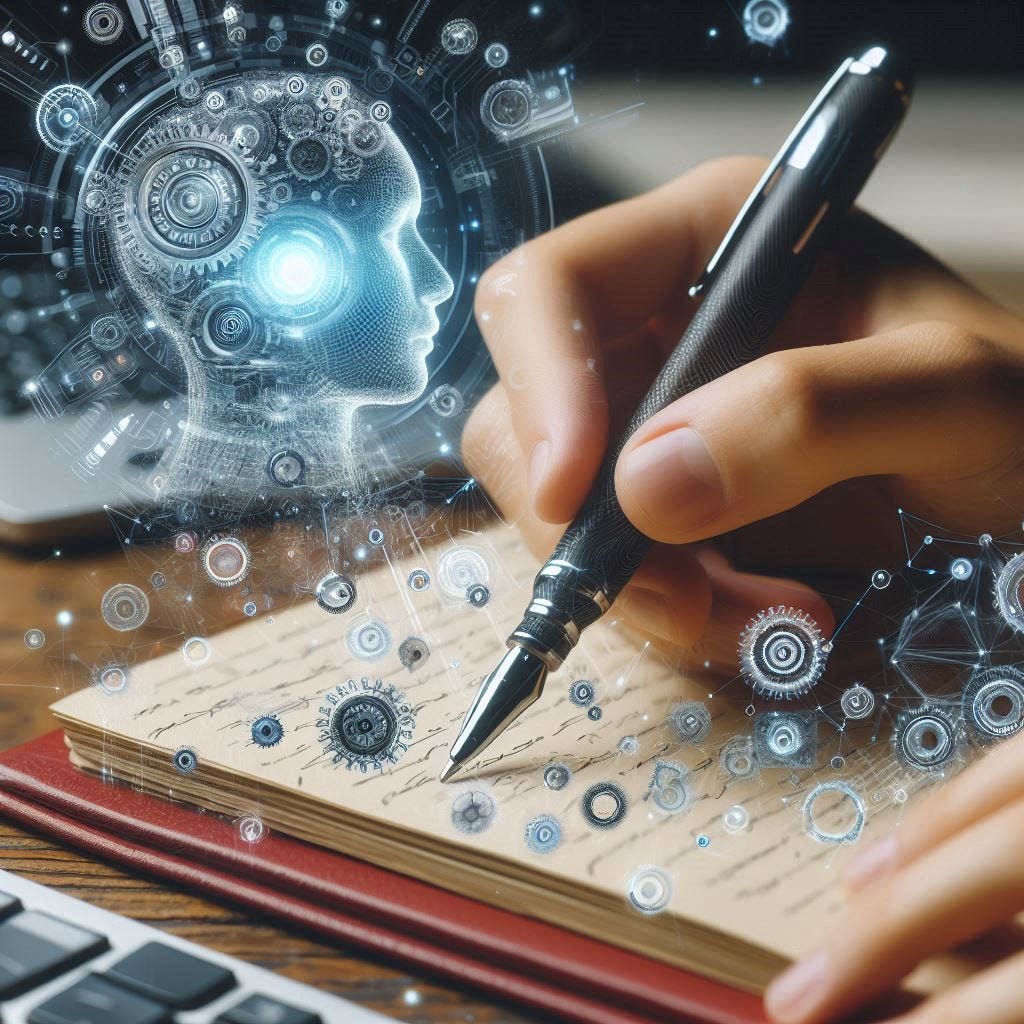
Since the launch of ChatGPT in November of 2022, it has gained widespread attention for its ability to generate human-like text based on use prompting. ChatGPT opened the doorway to many other generative AI software. Consequently, artificial intelligence (AI) has become a central force that is reshaping the technical and professional writing industry. With AI tools such as ChatGPT and Google’s Gemini becoming commonplace, as writers we find ourselves at a crossroads. Are these AI tools collaborators designed to enhance productivity: Or are they just a threat that could render human writers obsolete? As we (reluctantly) try to adapt to the use of AI in professional writing, we must acknowledge that the field of technical and professional writing faces both challenges and opportunities, which raises fundamental questions about the future of the profession. These include the nature of the changing skill sets for writers, the ethical implications of using AI in the profession, and the future of writing education.
Changing Skill Sets for Writers
The impact of AI on technical and professional writing is undeniable. I have used AI to generate text that I deem well structured and coherent. The effects of AI are, however, nuanced. Traditionally, technical writers have been valued for their ability to convert complex information into clear, concise and user-friendly language. This requires deep subject matter expertise, a keen understanding of audience needs, and the ability to communicate precisely. However, with AI tools now capable of generating large amounts of text in seconds, the role of technical writers is undergoing a transformation and, therefore, it presents a changing skill set for writers.
We cannot dismiss the fact that writers today must adapt to a new skills set that emphasizes overseeing AI generated content rather than creating it from scratch. The core competence in research, drafting, and editing are now coupled with the need for AI literacy. As writers we must understand how to use the AI tools effectively, know when to rely on them, and when to intervene to ensure that the content meets higher level objectives such as creativity, tone, and context.
While AI does an excellent job of producing text quickly, it often lacks the ability to interpret nuanced details or ensure that information is presented in a way that suits the specific needs of a particular audience. Therefore, we must act as curators to evaluate and refine AI outputs to maintain quality and accuracy. The ability to apply critical thinking to AI generated texts is becoming as important as the ability to write clear and concise sentences.
Instead of perceiving AI as a threat, technical and professional writers may benefit from seeing it as a collaborator. The AI’s ability to handle mundane and repetitive tasks can free writers to focus on more strategic aspects of our work, such as complex problem solving, creative communication strategies, and tailoring content to meet specific user needs. For example, in the field of technical writing. AI can effectively produce basic documentation such as user manuals or help guides. This is done by gathering and structuring data from existing databases. Nonetheless, the human writer remains essential in ensuring that this documentation is accurate adaptable to its intended audience. Here, the role of the writer shifts from that pf a producer to an editor who oversees the AI’s work to ensure that it aligns with the needs of the reader.
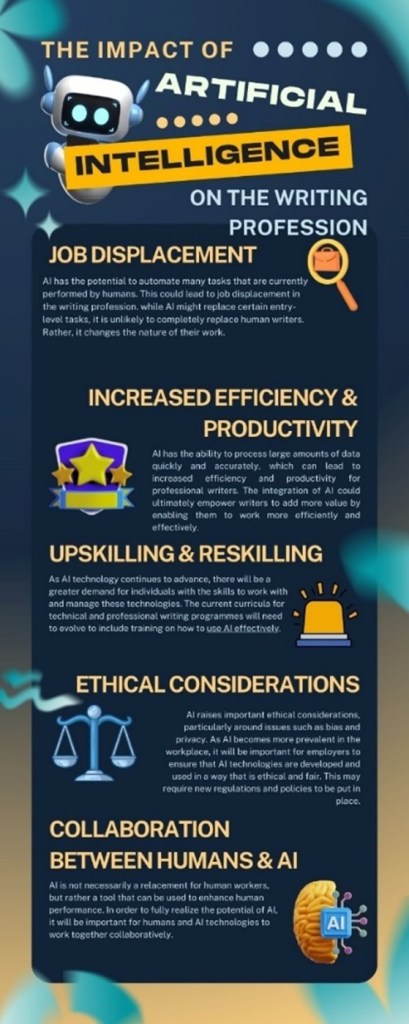
AI makes for an effective collaborator. It helps writers to be more productive. The professional writer can delegate time-consuming tasks to AI, while they focus on higher-level strategic writing. The integration of AI could ultimately empower technical and professional writers to add more value to their organizations or their own businesses, by enabling them to work more efficiently and effectively.
Ethical Implications
As with any technological advancement, the rise of AI in technical and professional writing comes with ethical considerations that should not be overlooked. One of the most pressing concerns is the potential for AI generated content to blur the lines between original work and plagiarism. Because AI tools such as ChatGPT and Gemini can draw upon vast amounts of data to generate content, it raises questions about intellectual property. It begs the question – who owns this content? Should a writer use AI to produce parts of or a whole document? These are important issues for writers, especially in fields where originality and authorship are highly valued.
There is a valid concern that over-reliance on AI might lead to degradation of a writer’s writing quality over time. If Infographic: Canva organizations prioritize speed and efficiency over quality, then there is a risk that AI generated content could become the norm, thus lowering the overall standards of communication. This is particularly concerning in professional writing contexts where authority and clarity are paramount.
The use of AI also raises questions about job displacement. As AI become more advanced, technical writers may be at risk of losing their jobs. Some experts argue that, while AI might replace certain entry-level tasks, it is unlikely to completely replace human writers. Rather, it changes the nature of their work. Writers need to become more versatile by adapting their skills to include oversight of AI generated content, while continuing to bring human creativity, judgement, and critical thinking to their roles.
The Future of Writing Education
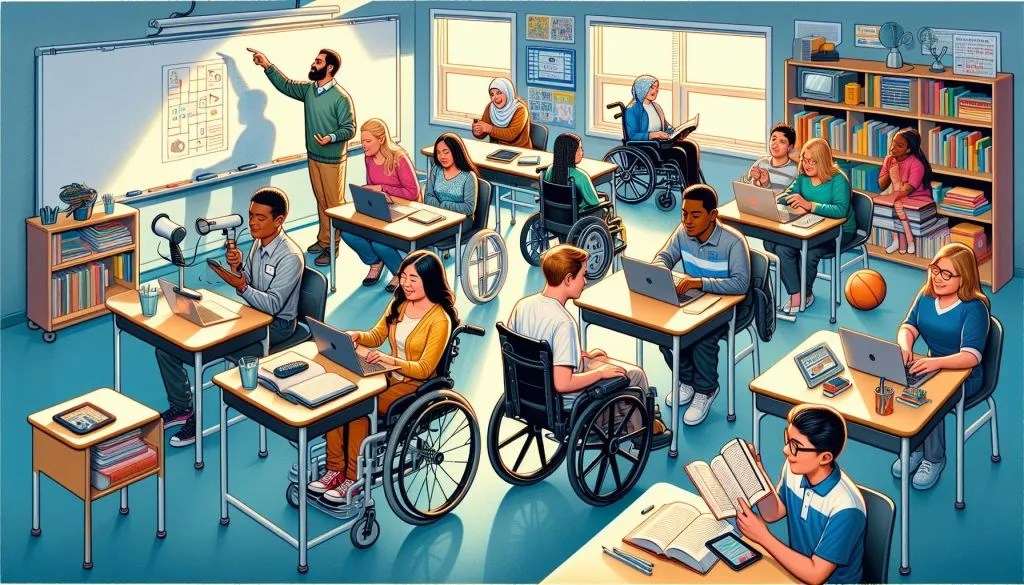
The increasing use of AI in writing has profound implications for how technical and professional writing is taught. As AI tools become more common in the workplace, educators must consider how to prepare the next generation of writers for the landscape in which AI as a collaborator is commonplace. This may require a shift in focus from traditional writing techniques to a holistic approach that includes AI literacy.
The current curricula for technical and professional writing programs will need to evolve to include training on how to use AI effectively. This could include modules on AI ethics the critical evaluation of AI-generated texts, and strategies to balance AI generated texts with human creativity. Students will also need to learn how to write prompts for AI tools, which has become a valuable skill. The ability to guide an AI tool to produce the desired output requires a deep understanding of both the technology and subject matter.
Recently, a colleague and I conducted a webinar on generative AI for students at our university. Recognizing the prevalent use of this technology among students, we deemed it necessary to educate students them on its ethical implications. The webinar encompassed topics such as utilizing AI as an assistive tool rather than a means of academic dishonesty, addressing plagiarism concerns, discussing effective prompting techniques, and providing multiple demonstrations of various generative AI software. These demonstrations included the creation of essay outline, obtaining feedback from AI, and generating suggestions for research topics. The students were very appreciative of the webinar.
Even though there are strong and divided opinions on whether to use AI in education, I believe incorporating AI into writing education presents opportunities to rethink how we teach the writing process. Rather than focusing solely on drafting and revising texts, writing programmes can emphasize skills such as content curation and adapting AI generated content to different contexts and audiences. By integrating these elements into the curriculum, educators can better prepare students for the challenges and opportunities of a future where AI plays a significant role in the writing profession.
To recap, AI in undeniably transforming the field of technical and professional writing, but whether this transformation presents an opportunity, or threat depends on how writers adapt to the new landscape. Although AI tools can streamline the writing process and enhance productivity, they also present ethical challenges and require writers to develop new skills. As AI become an integral part of the writing process, technical and professional writers need to embrace it as a collaborator, while they focus on tasks that require hum insight, creativity, and critical thinking. Additionally, the rise of AI in writing underscores the need for ongoing education and ethical considerations to ensure that this technology is used responsibly.

 Marie Bradford EdD.
Leave a comment